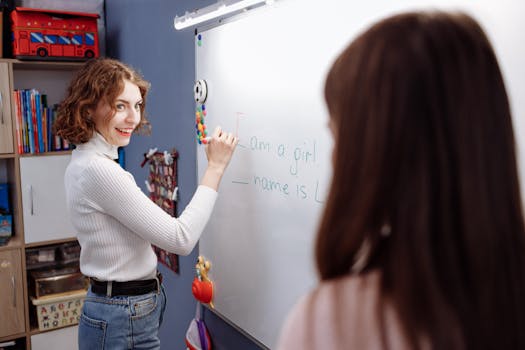
Did you know that a single year of schooling for girls can boost a country’s GDP by an average of 0.3%? That’s not pocket change; that’s a significant ripple effect, and it all starts with the fundamental idea of EFA education for all. It sounds grand, almost like a utopian dream, but the reality is far more practical and profoundly impactful. For too long, education has been treated as a privilege, a perk for the lucky few. But what if we flipped that script? What if we viewed it as the essential, non-negotiable bedrock of every thriving society?
The concept of “Education for All” (EFA), often bolstered by initiatives like the Education First Alliance (EFA), isn’t just about getting kids into classrooms. It’s about unlocking human potential on a global scale, fostering innovation, and building a more equitable world. It’s the ultimate investment, with returns that dwarf any financial market. Let’s peel back the layers and understand why this isn’t just a worthy cause, but a critical necessity for us all.
Beyond the ABCs: What “EFA Education for All” Truly Encompasses
When we talk about “EFA education for all,” we’re not just envisioning dusty textbooks and rote memorization. The modern interpretation is far richer. It encompasses:
Quality Learning: It’s not enough to just be in school. Children need to be learning. This means well-trained teachers, relevant curricula, and environments that foster critical thinking and creativity.
Inclusivity: Every child, regardless of gender, socio-economic background, disability, ethnicity, or geographical location, deserves access to education. This is where the “for all” truly shines.
Lifelong Learning: Education doesn’t stop at graduation. It’s a continuous journey of acquiring new skills and knowledge, essential in our rapidly evolving world.
Skills for the 21st Century: Beyond foundational literacy and numeracy, EFA focuses on developing skills like problem-solving, digital literacy, and collaboration, preparing individuals for future careers and societal challenges.
In my experience, the most transformative educational initiatives are those that think holistically. They recognize that a child’s ability to learn is deeply intertwined with their health, safety, and overall well-being.
The Unseen Hurdles: Why Aren’t We There Yet?
If the benefits are so clear, why is widespread, quality education still a distant dream for millions? The obstacles are numerous and often interconnected:
Poverty and Inequality: For families struggling to meet basic needs, sending children to school can feel like an unaffordable luxury. This often disproportionately affects girls, who may be expected to contribute to household chores or face early marriage.
Conflict and Instability: War zones and areas of political unrest often see schools destroyed or repurposed, forcing children out of education and into vulnerable situations.
Lack of Infrastructure and Resources: In remote or underserved areas, there simply aren’t enough schools, qualified teachers, or learning materials. The digital divide also plays a significant role here, widening the gap between those with and without access to online learning resources.
Cultural Barriers and Discrimination: Deep-seated societal norms can perpetuate gender inequality in education, or marginalize certain ethnic or religious groups. Sometimes, the very curriculum taught can be a barrier if it doesn’t reflect the diverse backgrounds of the students.
Policy and Governance Gaps: Even with good intentions, ineffective policies, corruption, or a lack of political will can derail even the best-laid educational plans.
It’s a complex web, and untangling it requires a multi-pronged approach, not a single magic bullet.
Unlocking Global Potential: The Transformative Ripples of EFA
The impact of achieving “EFA education for all” extends far beyond individual classrooms. It’s a catalyst for societal progress:
Economic Growth: As mentioned, educated populations are more productive, innovative, and adaptable. This leads to stronger economies, reduced poverty, and increased opportunities for everyone. Think of the untapped potential in areas where education is limited – it’s like leaving valuable resources buried underground.
Improved Health Outcomes: Educated individuals, particularly women, tend to have healthier families. They are more likely to understand hygiene, nutrition, and preventative healthcare, leading to lower infant mortality rates and improved overall public health.
Empowerment and Equality: Education is a powerful tool for empowerment. It equips individuals, especially marginalized groups, with the knowledge and confidence to advocate for their rights, participate in civic life, and break cycles of disadvantage.
Peace and Stability: Education fosters understanding, tolerance, and critical thinking. Societies with higher levels of education are often more peaceful and less susceptible to extremism. Ignorance, after all, is a fertile ground for conflict.
Environmental Stewardship: An educated populace is more likely to understand and address environmental challenges, promoting sustainable practices and informed decision-making for the planet’s future.
Charting the Course: How Do We Make “EFA Education for All” a Reality?
Achieving this ambitious goal requires a concerted effort from governments, international organizations, communities, and individuals. Here are some key strategies:
Increased and Smarter Funding: Governments must prioritize education budgets. This also means ensuring that funds are used effectively and transparently, reaching the most vulnerable populations. International aid also plays a crucial role, but it needs to be sustained and targeted.
Innovative Delivery Models: Think beyond traditional brick-and-mortar schools. Mobile learning, community-based education, and blended learning approaches can reach those in remote areas or those who face barriers to attending regular schooling. The rise of online learning platforms has been a game-changer, but accessibility remains a key challenge.
Teacher Training and Support: Investing in teachers is paramount. They need adequate training, fair compensation, and ongoing professional development to deliver quality education. Happy, supported teachers make for engaged students.
Addressing Social and Cultural Barriers: This involves community engagement, awareness campaigns, and policy reforms that challenge discriminatory practices and promote gender equality in education. It’s about changing hearts and minds, not just building schools.
* Leveraging Technology Responsibly: Technology can be an incredible enabler, providing access to resources and personalized learning. However, we must ensure equitable access and digital literacy training to avoid widening existing divides.
## The Unfinished Symphony: Our Collective Call to Action
“EFA education for all” isn’t just an acronym or a lofty ideal; it’s the unfinished symphony of human progress. It’s the missing chord that, once struck, will resonate with prosperity, health, and peace across the globe. We’ve seen glimpses of its power, in the communities uplifted and the lives transformed. The challenge is immense, but the potential reward is immeasurable. It’s time to move beyond passive acknowledgement and actively champion this cause. Whether it’s through advocacy, supporting relevant organizations, or simply spreading awareness, each of us has a role to play in ensuring that the promise of education truly extends to every single person on this planet. The future, quite literally, depends on it.